The Drowning Substitute
Vietnam · Pre-modern, oral tradition

The folk song is older than the records. The records do not give it a date. It is sung, still, in the lowland provinces of the Mekong and along the smaller rivers of the central highlands, where children are taught it before they are taught to swim, and where it serves as warning rather than lullaby.
The subject of the song is the ma da. The drowned.
It is recorded that a person who dies in still water, in a pond, a slow stream, the shallows where the river bends, does not pass cleanly into the next country. The texts do not agree on why. Some say the water itself holds the soul. Some say the soul is afraid to leave the body, and the body, in water, is slow to release. The older accounts say only that the soul is held, and that the holding is a debt, and that the debt must be paid before the soul may continue.
The debt is called thế mạng. Substitution.
The spirit cannot pass until another has taken its place. Until another has drowned in the same water, in the same posture, with the same final breath unfinished. The new soul becomes the ma da. The chain is recorded as continuing, in some rivers, for generations.
On her appearance
Concerning her appearance, the accounts converge.
She is described as tall and thin. The dress is long. In the older sources the dress is white; in the newer it is the colour the river has made it. Her hair is described as weeds. Some texts insist this is metaphor. The fishermen who have spoken on the matter insist it is not.
She does not approach from the shore.
She is heard before she is seen. The accounts emphasise this. The voice begins behind the boat, at a distance the listener cannot quite measure. The voice is a woman’s voice. It calls a name. It calls, sometimes, the listener’s name, though the listener has never given it. The voice moves. By the second call it is closer. By the third call it is in front of the boat. The fishermen who have survived report that the worst part is not the voice. The worst part is when the voice stops.
The hour given in most sources is the seventh of the evening. After dusk. Before the moon has fully risen. The water at this hour is described, in the records, as black and warm.
The counter-rite
The counter-rite is older than the song.
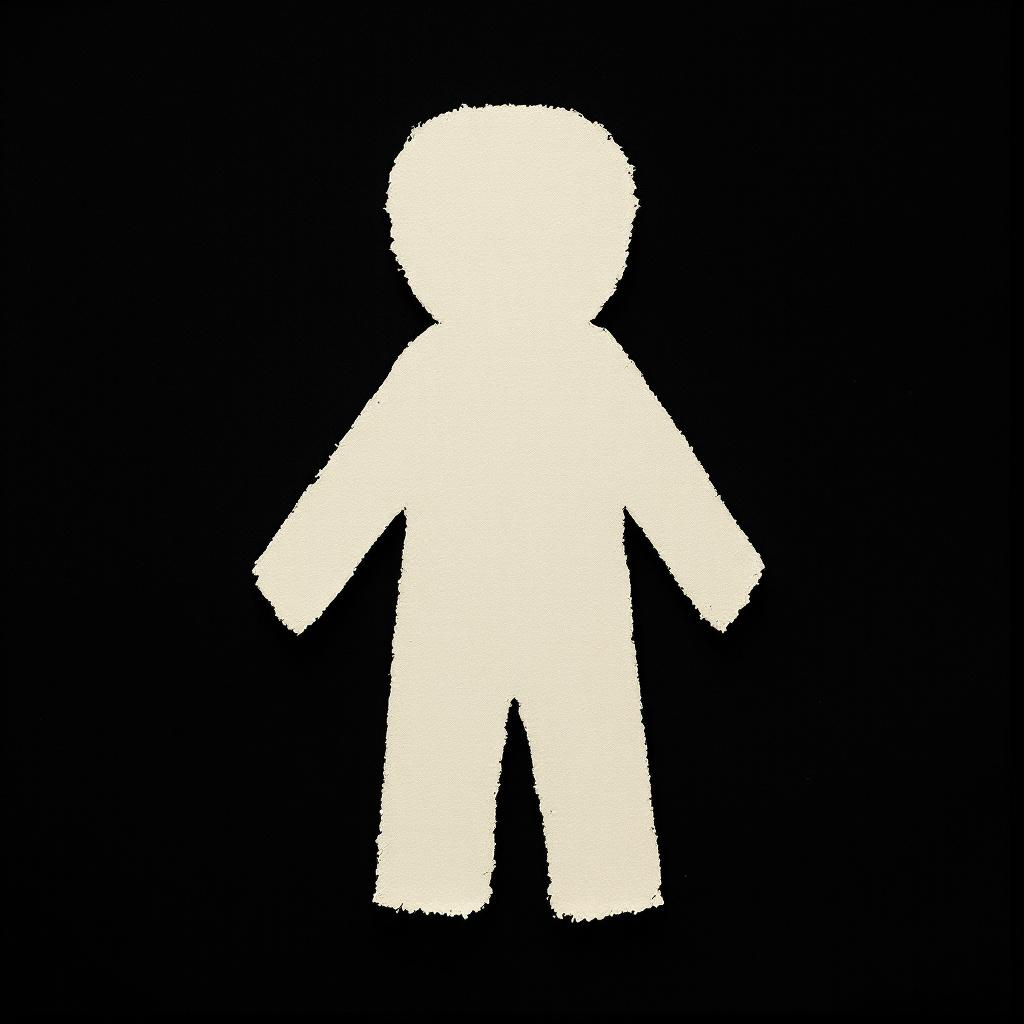
Two figures are made. The texts vary on the material: straw, pith, paper, river reed. The figures are given garments, however small. To each figure is added a single drop of blood from the fisherman’s hand. The figures are placed on the surface of the water. The fisherman swims, then, in the opposite direction, and does not look back, and does not speak the spirit’s name, and does not answer if his own name is called from the water behind him.
The figures stand in for the body that was asked of him. The drop of blood stands in for the breath. The substitution, properly made, satisfies the debt.
It is also recorded, in marginalia, never in the body of any source, that the figures must be left behind. They are not retrieved the following morning. They are not spoken of after. The river is permitted to keep what was given.
There are villages along the lower Mekong where, in living memory, the priests still perform a public version of the rite at the close of the wet season. A paper figure is set on the water in the late afternoon, a written contract is folded inside it, the contract names the dead by name and releases them. The figure is allowed to drift. The villagers, having watched it go, return without speaking until they have crossed the threshold of the home.
The archive notes that in the rivers where this rite has been kept, the children’s song has gradually lost its second verse. In the rivers where the rite has been forgotten, the song is sung complete, and the second verse is not written down.
- Vietnamese folklore: ma da and the drowned.
- Thế mạng: substitution in Vietnamese water-spirit tradition.
- Thầy cúng: Vietnamese ritual officiants and the paper-figure rite.