The Virgin in White
Korea · Joseon, pre-modern
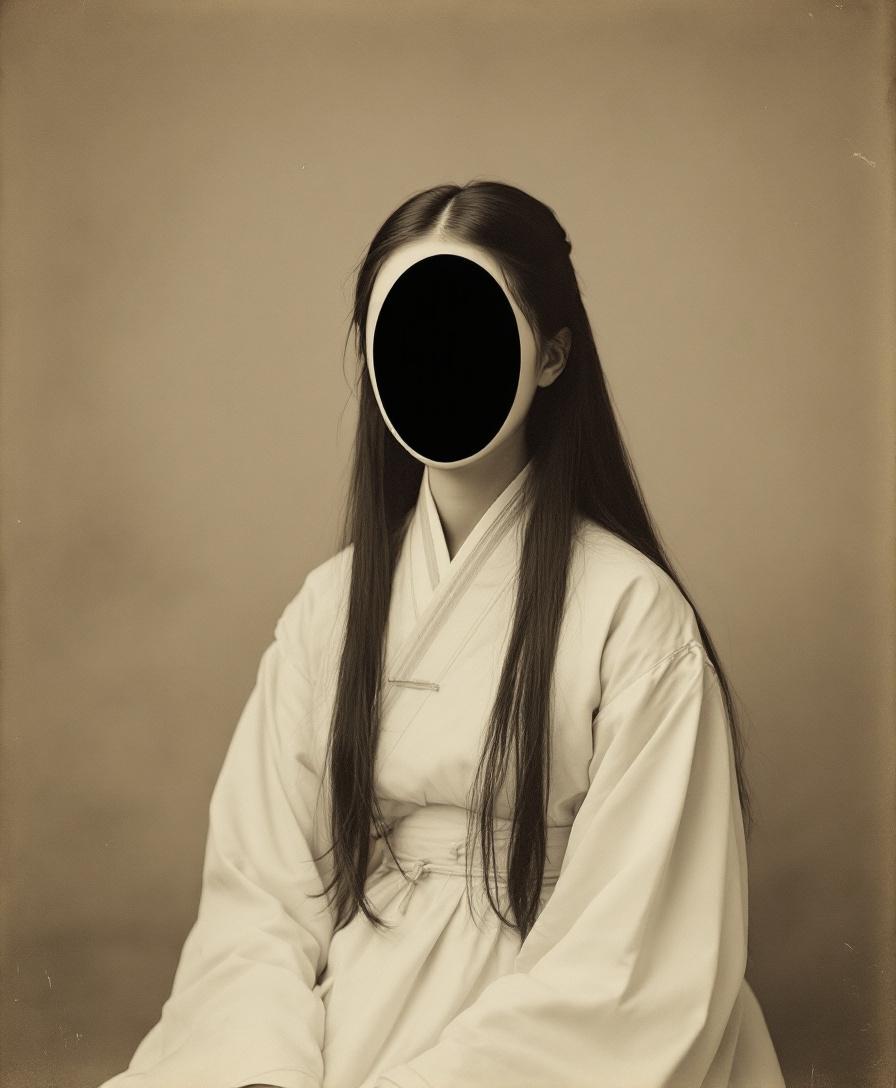
She has been recorded under several names. Cheonyeo gwisin, in the central provinces. Sonmalmyeong, where the dialect demanded it. Songaksi among the old shamans of the south. The records do not always agree. It is generally accepted that she is the spirit of a young woman who died before marriage, and that her grievance is older than the spirit itself.
The Samjongjido governed her life. Three obediences. Father. Husband. Son. To die without the second was to fail the first and forfeit the third. She was, by the terms of her own century, undone. The mourning rites recognised this and made no provision for her. There was no descendant to perform the jesa. There was no name carried forward. The lineage closed behind her like a door.
She is described, when she is described at all, in fragments.
A white sobok. The funeral hanbok, never the bridal one. The colour of mourning, the colour her mother would have worn for her had the order of things been kept.
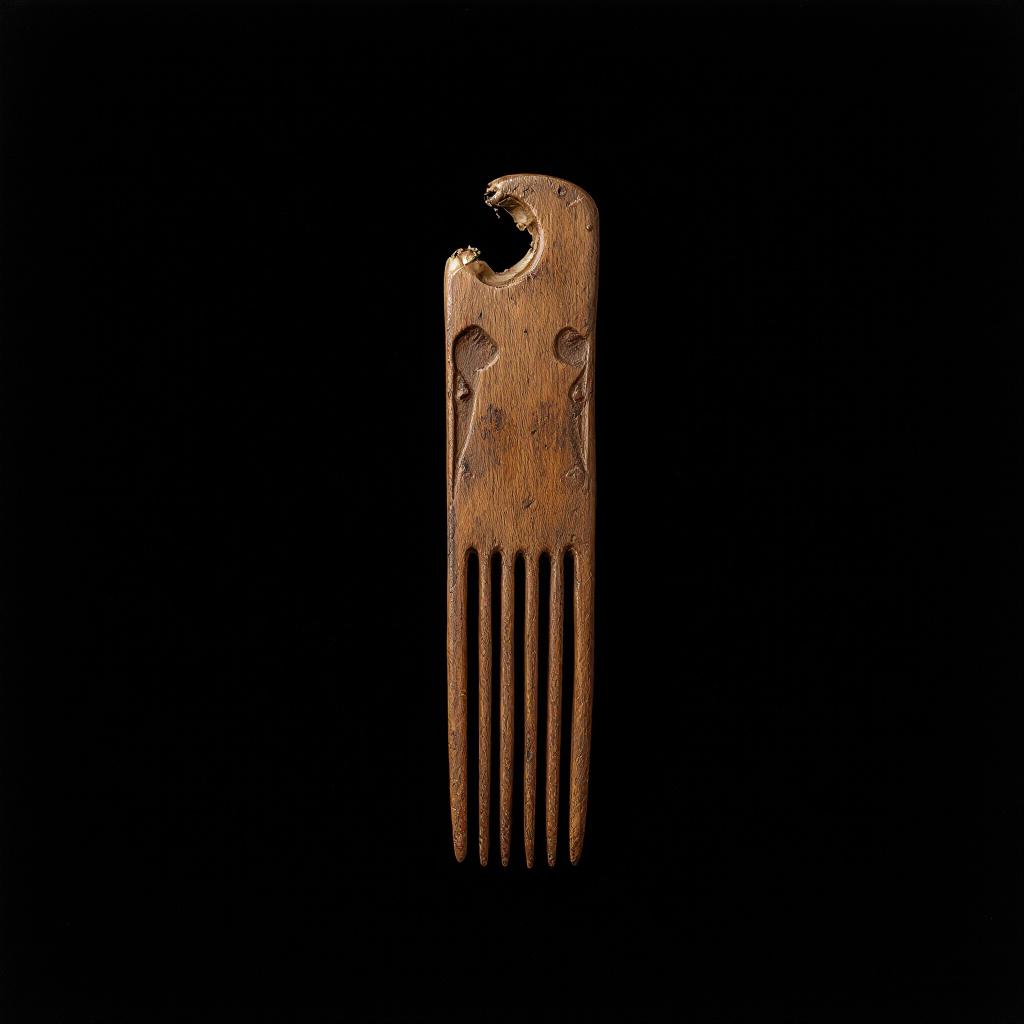
The hair, unbound. Long, black, falling. The married women of her village tied their hair. She had not earned the binding. The hair has not been cut, and it has not been combed, and it has not been forgiven.
The face, when surviving accounts permit it, is pale beyond pallor. Dark beneath the eyes. A small dark mark at the corner of the mouth, sometimes blood, sometimes not. The accounts are unclear. The accounts are deliberately unclear.
It is recorded that she walks between the hours of midnight and dawn. She has been seen in abandoned schoolhouses, in bathhouses after closing, on the rural roads where the lights have failed. She has been seen at lakeshores, where the surface is still. She has been seen in hospital corridors, in the wing where the children were once kept. She does not announce herself. The temperature drops first. Then the wind, where there should be no wind. Then she is in the room.
She does not always do harm. The older texts insist on this. She watches. She follows. She is present in the doorway of newly married women on the seventh night of their marriage. She is present at the bedside of the man who once promised her. She is present in the dreams of the children he has had since.
When she does harm, she does not do it directly. The accounts speak of illnesses without names. Accidents without witnesses. The bride who was well at her wedding and unwell by the new year. The husband who walked out at dusk to bring water from the village well and was found, the next morning, beside the well, breathing, but no longer entirely himself.
On the counter-rites
The archive records four counter-rites.
The first is the yeonghongyeolhonsig. The soul wedding. A second unmarried spirit, of the appropriate sex, is selected from the recently dead. The two are wed in absentia, with witnesses, with offerings, with the names spoken aloud. The lineage does not close. The door is, by ritual, reopened.
The second is burial inversion. The body is interred face down, the head set against the direction her household lay. Thorn branches are laid across the mound. The intent is not punishment. The intent is to make the path back too difficult to find.
The third is the placement, in the coffin, of a straw figure dressed in men’s clothing. A husband, of a kind. The figure is given no name. It is given no face. What it is given is the shape that was withheld.
The fourth is the phallic stone. There are stones still standing in Samcheok and along the eastern coast that were raised for this purpose, and the elderly continue to leave offerings there in the autumn months. The stones are rarely photographed. They are not, the locals will tell you, decorative.
On her recurrence
She has not been seen, in any account this archive has been able to verify, where these rites were properly observed and the offerings continued. She has been seen, repeatedly, where they were not.
The archive holds no position on whether she is to be feared. The archive observes only that the women who returned from her presence returned changed, that the men who promised her and forgot returned not at all, and that the white sobok, where it has been recovered, has been recovered clean.
- Korean folklore: Cheonyeo gwisin and the unmarried dead.
- Joseon mourning rites and the Samjongjido (three obediences).
- Yeonghongyeolhonsig: the Korean ghost-marriage rite.