The Wife with the Falling Hair
Japan · Edo period, recorded eighteenth and nineteenth century
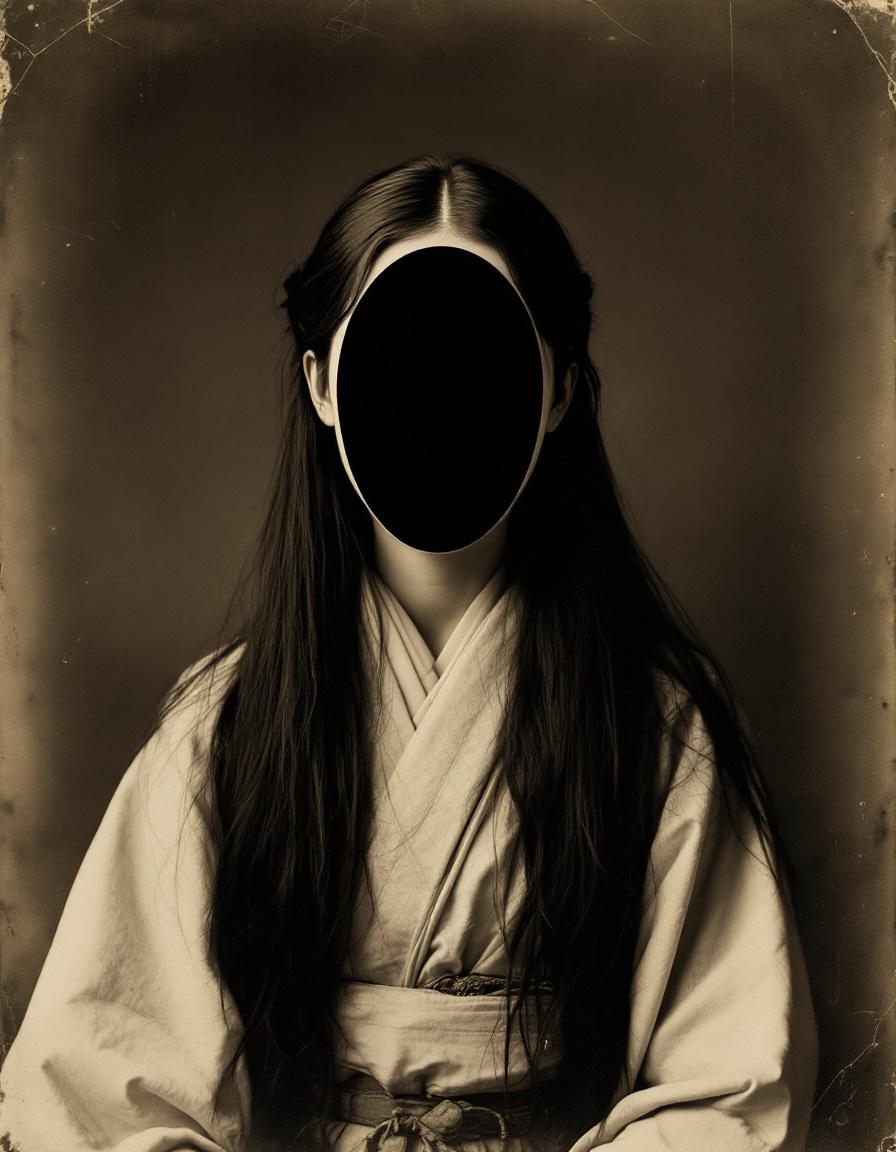
She is named Oiwa in the kabuki text, which is the youngest of the records. The older sources, which are oral, did not name her. They named the husband. The husband was named Iemon, and the records agree he was a samurai of the lowest grade, in the city that was then called Edo, in the years before the river was straightened.
It is recorded that he wished to be free of her. The reasons are several. The records do not all agree. Some say a marriage of greater advantage had been offered him. Some say he was already in debt to the family of the woman who would replace her. Some say only that he had grown to find her plain and that this, in the calculus of the moment, was sufficient.
What the records do agree on is the method.
A facial cream was prepared. The cream was poisoned. The poison was not of a kind that kills swiftly. It had been chosen, in fact, for the slowness with which it works on the surfaces of the body. He gave the jar to her with affection. She received it with affection. She thanked him.
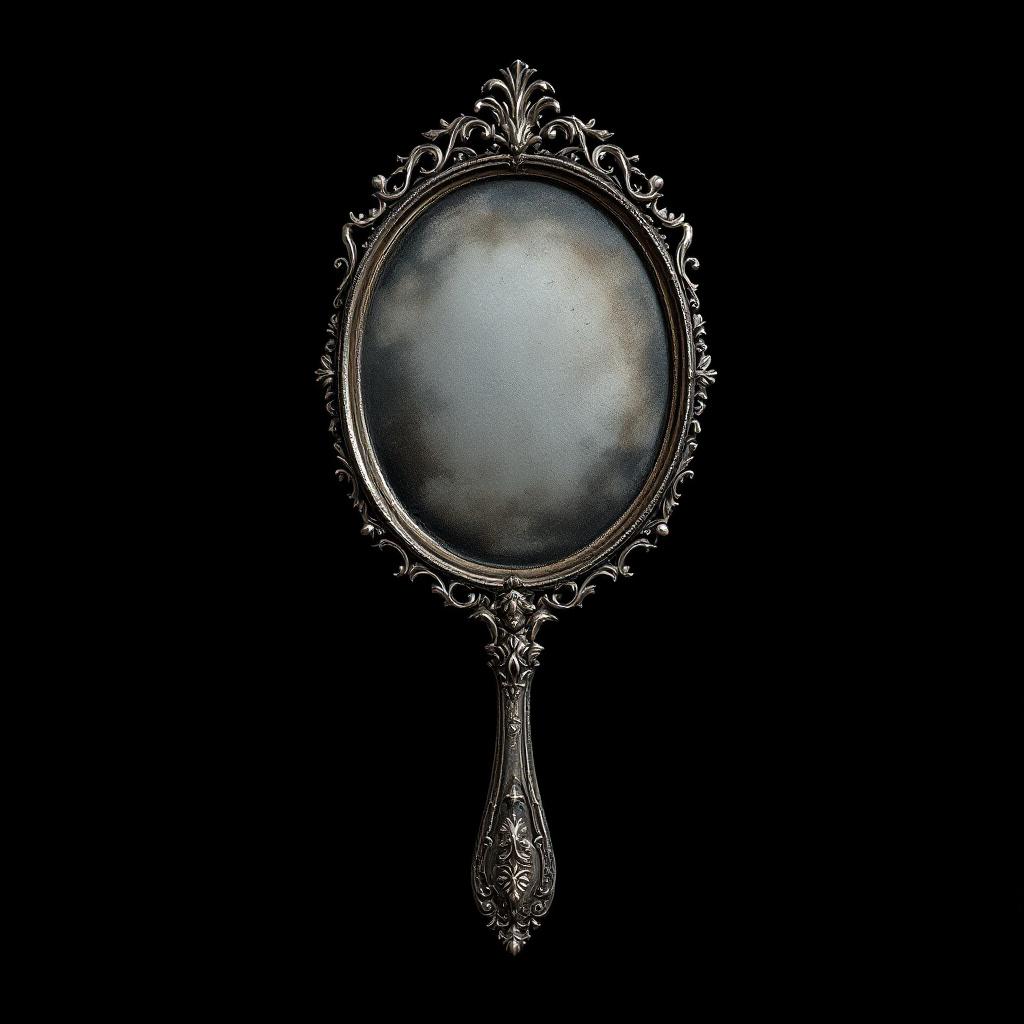
She used the cream as the records say a woman of her station would have used it, in the morning, before the mirror, before she tied her hair. The mirror is a small one. It is recorded that on the third morning she noticed the change.
On her appearance
She is described, in every recorded version, by the same three things.
The first is the eye. The poison swelled the right side of her face. The right eye drooped. The records insist on the asymmetry. The face, which had been ordinary, was now a face the mirror could not return to her. It is recorded that she touched the swelling and asked the mirror what it had done.
The second is the hair.
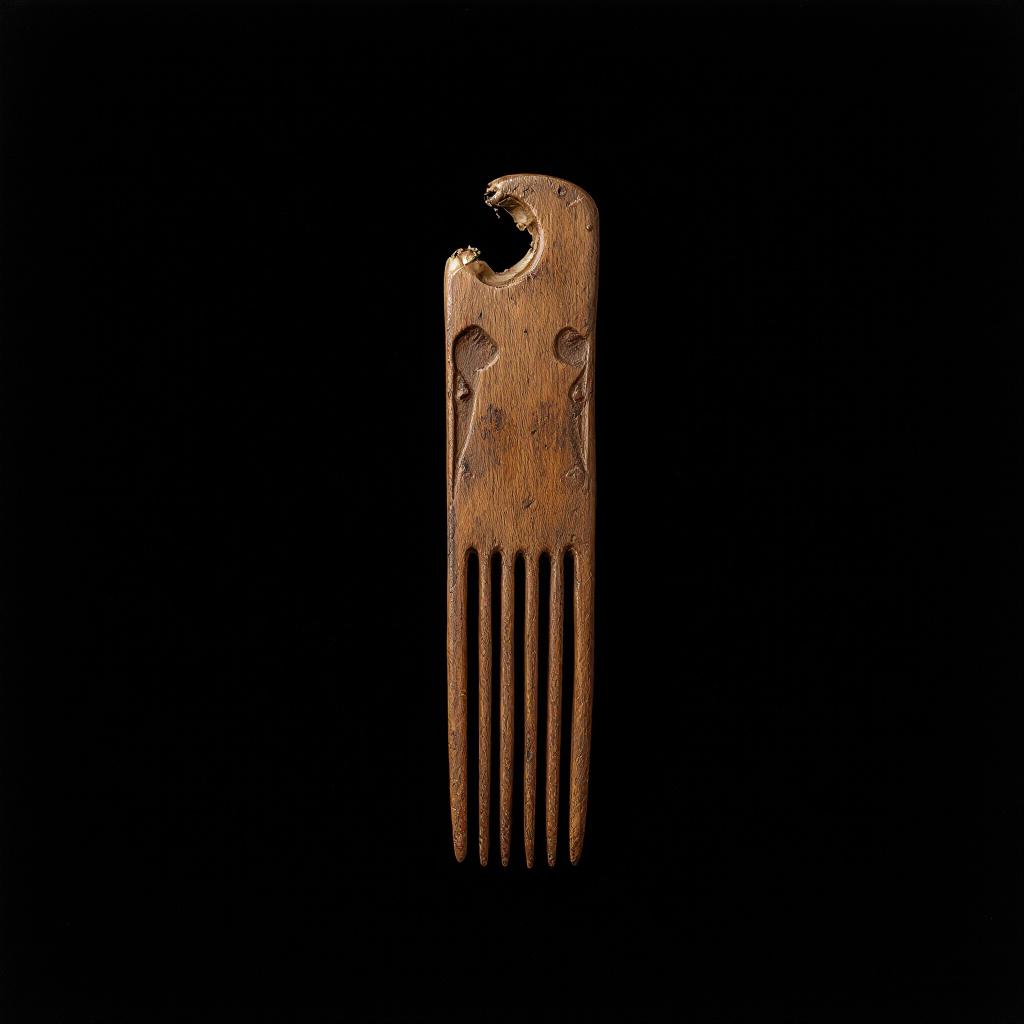
She combed her hair, and the hair came away, and she did not stop combing. The poison had loosened the hair at the roots. It came away in long black handfuls. The handfuls collected in the comb. She held them and did not know what to do with them. The records describe her, in this moment, as still her own woman. The change came after.
The third is the voice. The voice did not change. The accounts emphasise this. The face was not the face she had been given; the hair was not the hair she had been given; the voice was the voice that had said his name in the mornings of the years before. He heard it from rooms he believed he was alone in. He heard it after the second wife had also gone. He heard it on roads at the hour when the lanterns are lit. He heard it from inside the paper of the lanterns themselves.
The records say she did not approach him directly at first. She let the face find him. Reflections in dark water. Reflections in the polished iron of the kettle. The face of the second wife, on the morning of their wedding, was not the face he had paid for. The records say he struck what he saw, and what he had struck, when he was made to look, was the face of the second wife.
She comes for him last. By then he has very little left to lose. The records do not agree on the manner of his ending. They agree that her hair, by then, has reached the floor.
On the counter-rite
The counter-rite is recorded in three forms.
The first is a shrine. A small shrine was raised to her in the city, and offerings were placed before it, and her name was spoken aloud. It is recorded that actors who play her on the stage continue to visit the shrine before the role is begun, and that the role has, on more than one occasion, refused those who did not.
The second is the burial of the comb. Where the comb has been recovered, in the marginalia of the records, the rite is to bury it at a distance from the house, in earth that has not been worked, and to leave it.
The third, recorded in Kwaidan in a different form, is the chanting of the sutra over every surface of the body of the one she has come for. The sutra is to be written on the skin in ink. No surface is to be missed. The accounts agree, with a particular insistence, that no surface is to be missed.
The archive notes that her appearance has not been recorded where the rite was kept. The archive notes also that her appearance has been recorded, repeatedly, where it was not.
- Hearn, Lafcadio. Kwaidan: Stories and Studies of Strange Things. London, 1904.
- Hearn, Lafcadio. In Ghostly Japan. Boston, 1899. The chapter on incense and the chapter on a passional karma.
- Tsuruya Nanboku IV, Tokaido Yotsuya Kaidan (the Oiwa tradition), Edo, 1825. The kabuki text and the older oral tradition the play reorganised.