The Weeping Woman
Mexico and the borderlands · Colonial and pre-Columbian, recorded continuously since the sixteenth century
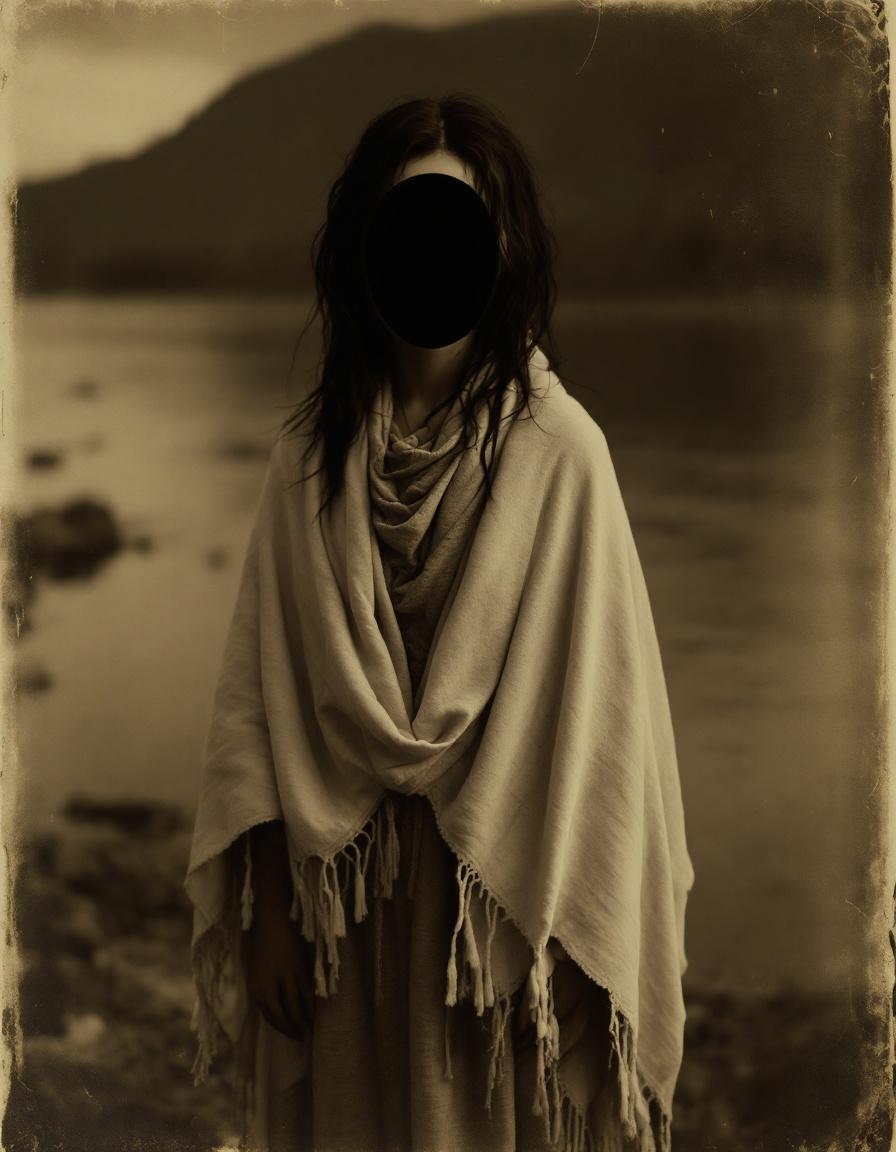
She has been heard, in the records, since before the conquest. The Florentine Codex names her among the omens that were reported in the years before Cortes. A woman, the codex says, was heard at night above the city. She wept. She called out. The codex preserves what she called.
Oh my children, we are about to be destroyed.
The codex does not name her. It is recorded that the people of the city named her Cihuacoatl, the Snake-Woman, who was a goddess of older standing, who was associated with women who died in childbirth, who was understood to walk the night at the edges of the lake-city. Her hair was long. Her face was ash. The accounts do not let her be quiet.
After the conquest the woman is named, in the records of the colonial city, La Llorona. The Weeping Woman. The name is Spanish but the figure is older than the name. The records agree on this. The records agree on little else.
On her appearance
The colonial accounts, recorded by Janvier in the legends of the city of Mexico and elsewhere, fix on the same three details.
She is dressed in white. The white is the white of the funeral, not the white of the wedding, though the records confuse these where the older sources have been imperfectly preserved. Her hair is long and dark, and it is unbound, and the wind carries it where there is no wind.
Her face is not always given. The accounts that do give it agree the face is veiled, or the face is the bone of a horse, or the face is no face at all. The accounts that do not give it suggest, by the omission, that those who saw the face did not return to record what they had seen.
The voice is given without exception. The voice is a woman’s voice. It is heard at the canal-edges, at the river-banks, at the rural ditches and the small coastal lagoons. It calls. The records do not always agree on what it calls. My children. Where are my children. Where are you, my children. The accounts that survived the speakers agree that the voice does not approach. The accounts that did not survive the speakers agree, by the absence of the speakers, that the voice did approach.
The colonial story, retold in Janvier and in the corrido tradition, is that she had drowned her own children in the river to be free of them, and that the man for whom she had done this had refused her, and that she had then drowned herself. The colonial story is the most often retold. The colonial story is also, the older records suggest, the latest layer of the figure.
On the older woman beneath her
Beneath the colonial story is Cihuacoatl. Beneath Cihuacoatl is the woman who died in childbirth and was, in the older religion, deified by the manner of her death. The Aztec record granted her a kind of warrior status. She had died as a soldier dies, in the act that her station required of her. The granting was not gentle. The deified women, the cihuateteo, were said to walk the crossroads at the close of the year, and the children they had not raised were said to be at risk on those nights, and offerings were left in the household for them.
The colonial record reframed the figure. The reframing kept the weeping. The reframing kept the children. The reframing changed the cause. What had been a goddess of unfinished motherhood became, in the colonial story, a woman who had failed her motherhood by her own hand. The records suggest the reframing was not accidental.
She has been heard, in the centuries since, in every river of the Mexican territory and in many of the rivers of the territories taken from it. She has been heard along the Rio Grande. She has been heard in the irrigation ditches of the southwestern United States. The Library of Congress folklife record preserves accounts collected from speakers in New Mexico, Colorado, Arizona, and California. The accounts agree, across the geography, on the white dress and the long hair and the calling voice, and they do not agree on much beyond that.
It is recorded that she does not, in the older accounts, take only her own children. She is said to take any child who is alone at the water at the wrong hour, and to take any adult who answers a voice that calls without naming. The corrido tradition is firm on this point. The colonial church was firm on this point. The grandmothers, the records show, are firmer still.
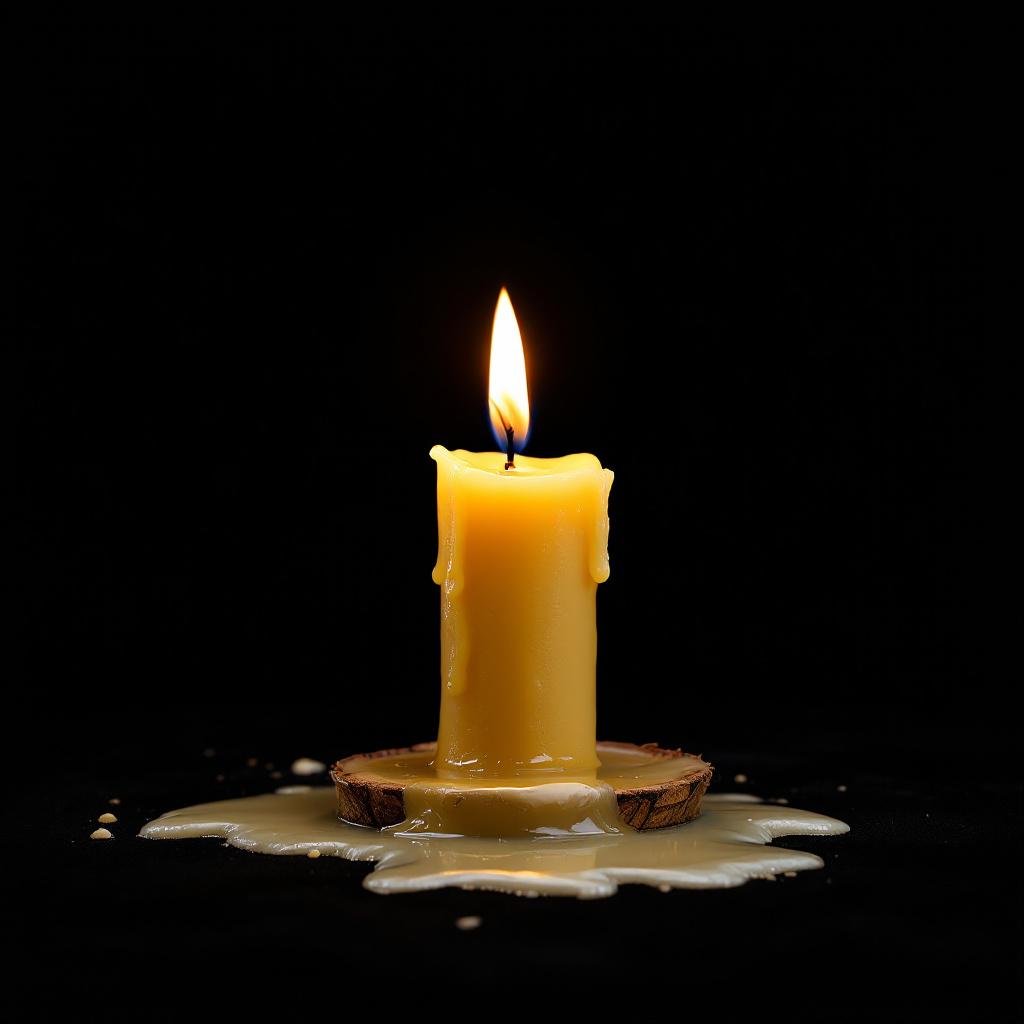
The candle is lit on the bank in the evening. It is not, the records insist, lit for her. It is lit for the children who have not been returned, in the hope that the woman who is calling will recognise the small light and pass on.

- Janvier, Thomas A. Legends of the City of Mexico. New York: Harper & Brothers, 1910. Chapters on the Plaza Mayor and the canals.
- Winick, Stephen. La Llorona: An Introduction to the Weeping Woman. Library of Congress Folklife Today, 2021.
- Sahagun, Bernardino de. Historia general de las cosas de Nueva Espana (Florentine Codex), Book XII. The omens reported before the conquest, including the woman heard at night above the city.