The Eater of Raw Flesh
Northern India and the Himalayan foothills · Vedic antecedent; Puranic and ethnographic record
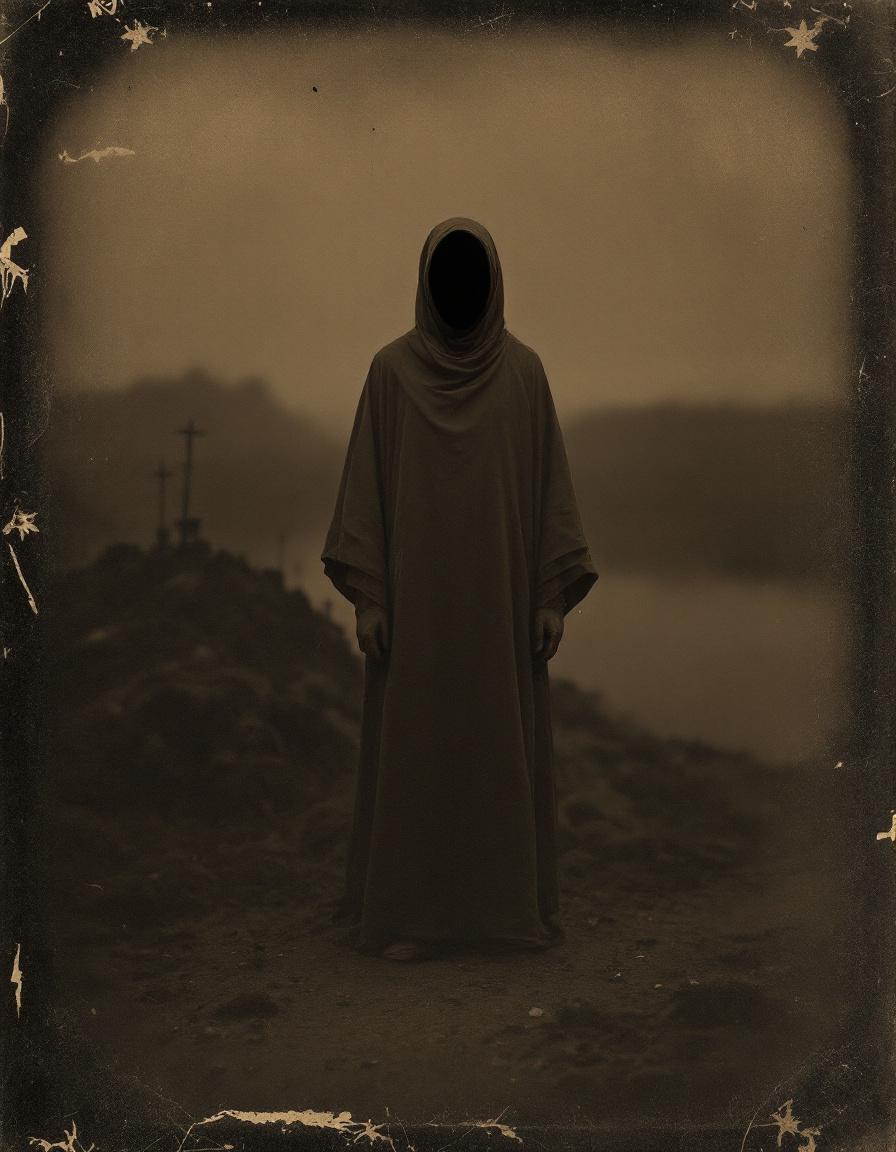
The Sanskrit word is pisaca. The translators, working in the late nineteenth century, render it eater of raw flesh, which is the literal meaning, and which the older Vedic record bears out. He appears in the Atharva Veda in the hymns against the malevolent dead, alongside the bhuta and the preta, and the three are named together so often, in the texts, that the modern usage has not always distinguished them.
The distinctions are in Crooke.
The bhuta is the spirit of one who has died by violence, or who has died without the prescribed rites, and who therefore was not freed at the moment of the burning. The bhuta is the largest category. The records describe the bhuta as a hovering presence, attached to the place of the death, and the rites against him are rites of release.
The preta is the spirit of the recently dead in the period before the sapindi-karana, the rite that incorporates him into the body of the ancestors. The preta is hungry. The hunger is the central detail. The household feeds him by the offering of the pinda, the rice ball, on the appointed days, and at the close of the period the preta becomes a pitri, an ancestor, and is fed thereafter as part of the lineage. Where the rites are not performed, the preta does not become a pitri. The preta remains hungry.
The pisacha is the lowest of the three.
On the place where he is found
He is not, the records say, an ancestor who has been failed. He is not, in most accounts, the ghost of a particular dead. He is a spirit of older standing, of darker provenance, and the texts that name him most often name him in the same breath as the raksasa and the demons of the cremation ground.
He is found there. Crooke records the cremation ground, the smasana, as his place. He is found at the edges of the village. He is found at the crossroads, where the older religion of the region has not entirely been replaced by the newer, and where the offerings of milk and rice are still left in the small clay vessels at the close of the day. He is found at the river-bank where the bones are deposited after the cremation. He is found in the houses where someone has died and the rites have been incomplete, and he is found in the bodies of the living who have failed in some way to keep the prohibitions of their station.
The possession is the form he takes most frequently in the village record. Crooke devotes a chapter to it. The afflicted is, almost always, a young woman of the household. She speaks in voices that are not hers. The voices ask for things. Meat. Liquor. The flesh of unborn animals. The records preserve the lists of what has been asked. The lists are not, the records emphasise, the lists the woman would have asked for.
The household calls the ojha, the village exorcist. The ojha is, in the older records, an inherited office. He is paid in grain. He is not, the records insist, a brahmin; the brahmin handles the rites of the ancestors, and the ojha handles the rites of the spirits the ancestors do not contain.
On the counter-rite
The counter-rite is recorded in Crooke in three forms.
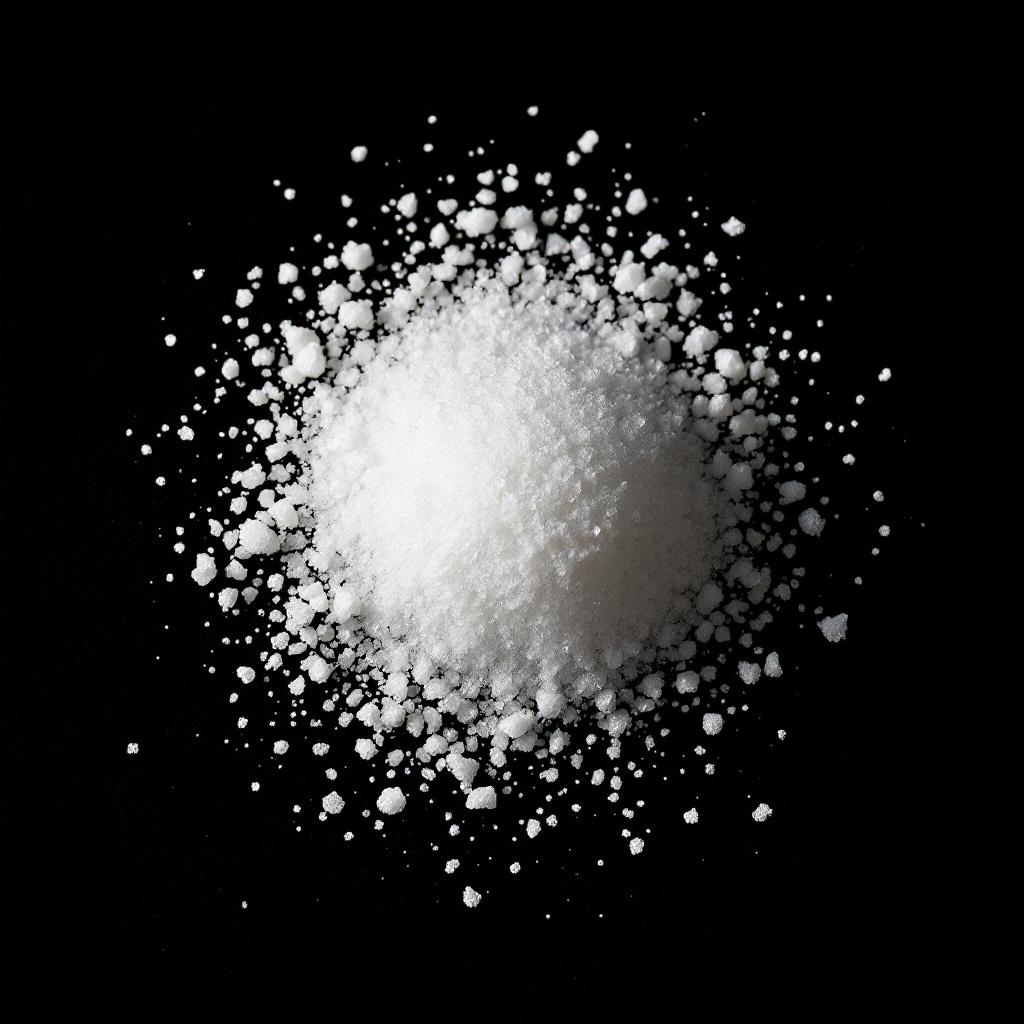
The first is the salt and the mustard seed. The seed is scattered at the threshold of the room in which the afflicted is held. The seed is also held in a closed cloth at the head of the bed. The records explain the seed as a protection: the pisacha, the records say, is compelled to count the seeds before he may pass, and the counting takes him until daybreak, and he does not pass.
The second is the iron. A small iron blade is laid beneath the bed. Iron, the records record, was a prohibition the older spirits had not lifted, and the smell of iron is recorded as repellent to him. Where iron is not available, an iron nail will serve.
The third is the rite of the ojha himself. The rite varies by region. The records preserve versions from the western districts, the eastern districts, the Himalayan foothills, and the Doab. The common elements are these: the afflicted is asked the name of the spirit; the name is recorded; the spirit is bargained with; an offering is named; the offering is delivered to the cremation ground at the close of the rite. The offering, in the recorded cases, is always small. A handful of rice. A garland of marigold. A coin. The records emphasise that the offering must be small, and must be delivered, and must be left.
The pisacha is not, the records say, defeated. He is fed. The feeding closes the moment of the affliction. The records observe that the same household will sometimes call the ojha again, in a later year, and that the spirit who answers, when named, will give a different name; and that the records cannot always say whether the spirit is the same one returning under a different name, or a different one whose hunger has, in the interval, found the same door.
- Crooke, William. The Popular Religion and Folk-lore of Northern India. Westminster: Archibald Constable & Co., 1896. Volume I, chapters on the malevolent dead and the village exorcist.
- Crooke, William. An Introduction to the Popular Religion and Folklore of Northern India. Allahabad: Government Press, 1894. The earlier survey of household ritual and the malevolent dead.
- Atharva Veda, Book V, hymns against the malevolent dead and the eater of raw flesh. The Vedic antecedent of the figure, recorded c. 1000 BCE.